

Welcome back to The Farda Briefing, an RFE/RL newsletter that tracks the key issues in Iran and explains why they matter.
I'm RFE/RL correspondent Kian Sharifi. In this edition, Im looking into growing concerns in Iran about the Talibans new dam that threatens the water supply of millions in northeastern Iran.
What You Need To Know
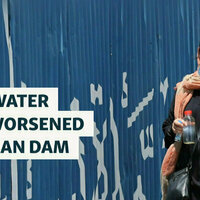
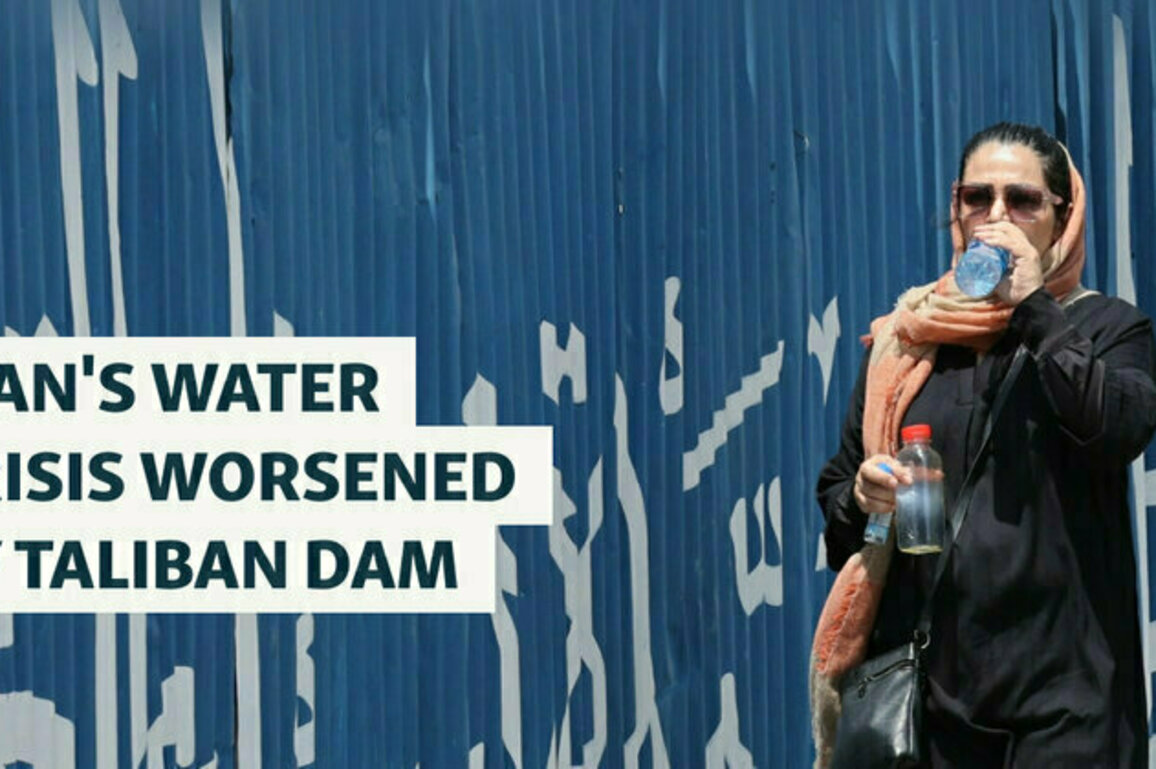
New Dam, More Water Problems:Irans water crisis is going from bad to worse as the Talibans Pashdan Dam on the Hari River threatens the city of Mashhads main water supply. Despite longstanding agreements, Irans water share is being cut off. Experts blame both the Talibans disregard for neighbors rights and Tehrans failure to act on warnings.
Iran Rejects E3 Offer To Extend Snapback Deadline:Irans Foreign Minister Abbas Araqchi told Iranian media this week that Tehran believes European powers do not have the right to extend the deadline of the so-called snapback mechanism to reinstate UN sanctions. The mechanism -- a provision under the 2015 nuclear deal -- is set to expire in October. Britain, France, and Germany, known as the E3, have threatened to trigger it by the end of August if there is no progress in talks between Iran and the United States. They haveofferedto extend the October deadline to incentivize Iran. Look out for my explainer on the snapback mechanism on August 24.
Kremlin Allies Iran, Belarus Agree To Up Defense Cooperation:Iran and Belarus, both under sanctions that constrain their trading options, agreed this week to enhance bilateral defense relations during President Masud Pezeshkians first official trip to Minsk. Pezeshkian said that Iran could assist Belarus in neutralizing restrictions, drawing on Tehrans long experience in navigating Western economic pressures. Belarusian leader Aleksandr Lukashenko called Pezeshkian a friend and offered to cooperate on a range of issues, from providing your country with food to military-technical cooperation.
The Big Issue
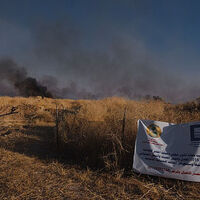
A Taliban guard near the Pashdan Dam after the inauguration of its power station in Herat Province on August 14
Reservoir Dried Up
Irans deepening water crisis is primarily driven by prolonged drought, chronic mismanagement, and the impacts of climate change. The crisis is so bad that officials say Tehran is becominguninhabitableand Israel is hoping it will get people torevoltagainst the Islamic republic.
Making an already bad situation worse is the Talibans launch of a hydroelectric power station at the Pashdan Dam. Located on the Hari River in northwestern Afghanistan, the dam threatens to cut off the main water supply to Mashhad -- Irans second-largest city with roughly 3.5 million residents.
The Taliban, with whom Iran maintains ties but does not officially recognize as Afghanistans rulers, started filling the dam last year and launched the power station on August 14.
Iranian media say that with the diversion of the Hari River toward the Pashdan Dam, the Doosti Dam downstream -- which supplies Mashhad -- has nearly dried up.
Why It Matters:Water rights have long strained relations between Iran and Afghanistan, which share a 900-kilometer border. The Hari River flows through Afghanistan into Irans Khorasan Razavi Province, supplying water to millions of people in the northeast.
The Talibans dam projects -- including the Salma and Pashdan dams and the planned Tirpul and Ghofghan projects -- have disrupted the rivers flow, worsening Irans water crisis.
This comes despite agreements granting Iran about 820 million cubic meters annually, a quota the Taliban has not honored. Tehran has repeatedly urged reasonable and equitable use of the river under international law.
The Taliban frames dam construction as part of its economic self-sufficiency strategy, claiming the Pashdan Dam will irrigate 13,000 hectares of farmland in Herat.
What's Being Said:While Iran had raised no serious objections during 14 years of construction, officials condemned the project once the dam was filled, calling it a violation of Irans customary rights. Similar disputes have arisen over the Helmand River.
The moderate conservative newspaper Jomhuriy-e Eslami, which was among the last Iranian papers to stop labeling the Taliban as terrorists, described the groups behavior toward Iran as hostile.
No government would remain silent in the face of hostility, let alone make concessions, the paper said, suggesting that Tehran has not adopted a hard enough stance against the Taliban.
Tehran-based journalist Azadeh Mokhtari wrote on X that the Talibans moves highlight weakness in water diplomacy in not just Iran but the wider region.
Who will you blame for this weakness in water diplomacy -- some power in the East or the West? she added.
Expert Opinion:Fatemeh Aman, a political analyst on Iranian and Afghan affairs, told RFE/RLs Radio Farda that Irans water crisis is rooted in years of mismanagement and a pattern of ignoring, or imprisoning, environmentalists.
The Taliban has exacerbated the problem with its growing appetite for dam building, which she said has been happening without any sort of agreements with Iran.
The Taliban, she said, either disregard their neighbors water rights or refuse to acknowledge them altogether.
She also criticized Iranian authorities for depending on shared water sources to supply several provinces, arguing that this strain could have been avoided if warnings had been heeded and proper measures taken over the years.
That's all from me for now.
Until next time,
Kian Sharifi
If you enjoyed this briefing and don't want to miss the next edition, subscribehere. It will be sent to your inbox every Friday.